
Written by Matthew Whitaker
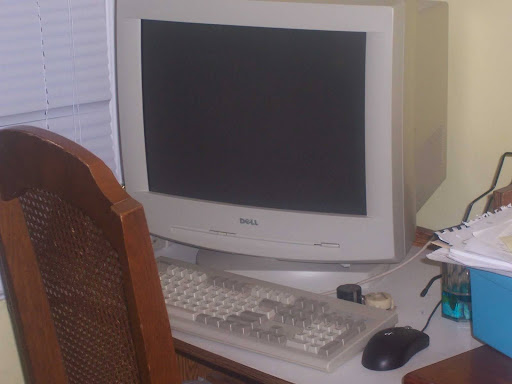
Recently, my family’s been planning a home improvement project to paint and rework an upstairs room in our house. We’ve always called this room the “Computer Room” because it was where our original family computer resided during the 2000s.
Yes, the singular computer, “the” computer that the entire family shared. These days, the notion of a singular family computer is ancient to many and foreign to plenty more. Not only are there often multiple computers in a household now, but there are also other Internet-enabled devices like smartphones, tablets, laptops, and game consoles.
The Internet is with us at all times and wherever we go. But during the family computer era, the Internet could only be accessed from one place in your home by one person at a time.
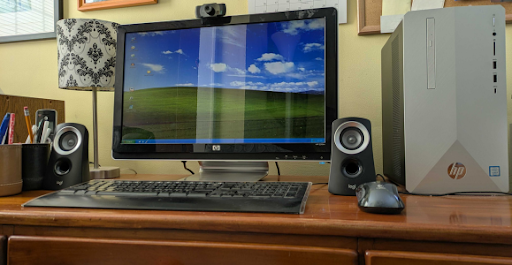
When I was growing up, we had a single HP desktop computer running the Windows XP operating system. It had multiple user accounts for my parents, my brother, and myself. When another family member was using it, I had to wait my turn or potentially go to war with my brother over who was going to play RuneScape that afternoon.
This computer was the only device in the house capable of using the Internet, so if you weren’t using the computer, you were totally unplugged. To many these days, the idea of being unplugged from the Internet is either an unimaginable nightmare or an unattainable dream.
But during the 2000s, it was an experience everyone shared. It wasn’t like in prior decades when the Internet didn’t exist; we used the Internet, and it was an integral part of our lives. Unlike today when people doomscroll into the early hours of the morning, we’d log on to the Internet, and more importantly, log off and be totally disconnected.
Imagine this: A day with only one dedicated hour of social media, web browsing, and online gaming. Outside of that hour, these things could not be experienced or even checked. That’s what it was like in the era of “the” computer!
When it was your turn to use the family computer, you had to choose which online activities you would engage in, and when your time was up, that was it! You’d log off and do something else, like watch television or go play outside.
While older generations often say, “back in my day we didn’t have the Internet, and the world was better for it!”, those who grew up in the single-computer era remember when there was a healthy balance between the Internet and our daily lives.
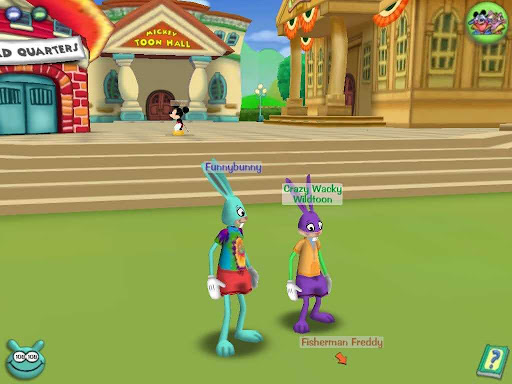
During the day, our friends would drop by and shoot each other with Nerf Blasters or play Super Smash Bros. Melee on Nintendo GameCube. At night, those same friends came over to hop on our family computers and defeat Cogs together in Disney’s Toontown Online. The balance of our online and offline activities was something truly special.
These days, we have a smartphone in our pocket, a laptop or tablet at home, and a video game console that requires an Internet connection to access key features. The Internet is ubiquitous, and many are looking to escape its insidious place in our lives.
And there are plenty of users who are nostalgic for the Internet’s early days, when it was a fun place you could log on to and explore by choice and at your leisure.
The Internet now weaves through our lives more than anyone imagined back when it existed on “the” computer. It’s still worth remembering the magic of its existence in the first place.
It’s opened up so many possibilities, allowing us to learn new things, stay connected with people we love even from afar, and has created experiences that were mere science fiction 30 years ago.
While most of us still need a healthier balance, the Internet has grown into something quite remarkable since the days of “the” family computer.